When Not to Use Your Email Address
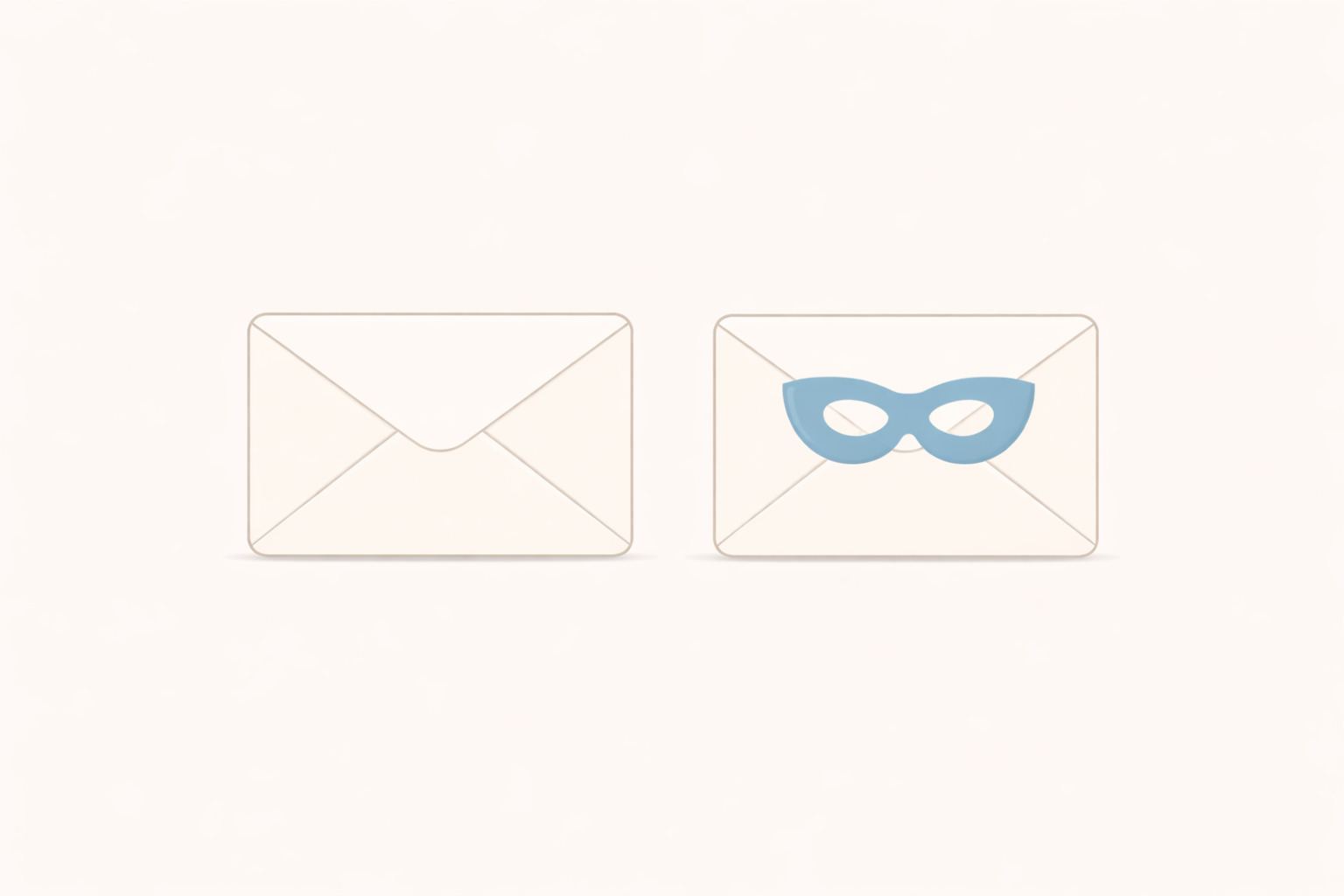
Your email address is more valuable than you might think, not to you, but to the companies and services that collect it. Every time you hand it over, you are creating a connection between your identity and your activity that can be tracked, sold, and exploited.
The solution is not to stop using email. It is to stop using your real email address everywhere.
Use an alias instead
An email alias is a disposable address that forwards to your real inbox. You can create one for any service, and if that service starts sending spam or gets breached, you simply delete the alias. Your real address stays clean and private.
I use and recommend Fastmail for this. Their masked email feature lets you generate a unique alias for every service you sign up for, with one click.
When to use an alias
- Online shopping and order confirmations
- Newsletter subscriptions
- App registrations and free trials
- Any service you are not sure you trust
- Loyalty programs and discount codes
When to use your real address
- People you actually know
- Services you deeply trust and have a long relationship with
- Government and banking services where identity matching matters
Why this matters
A single data breach can expose your email address to spammers, phishing attempts, and credential stuffing attacks. If you used a unique alias for that service, the damage is contained. Delete the alias, create a new one, and move on.
Your real email address should be known to as few services as possible. Treat it like a phone number: share it deliberately, not by default.